Journal
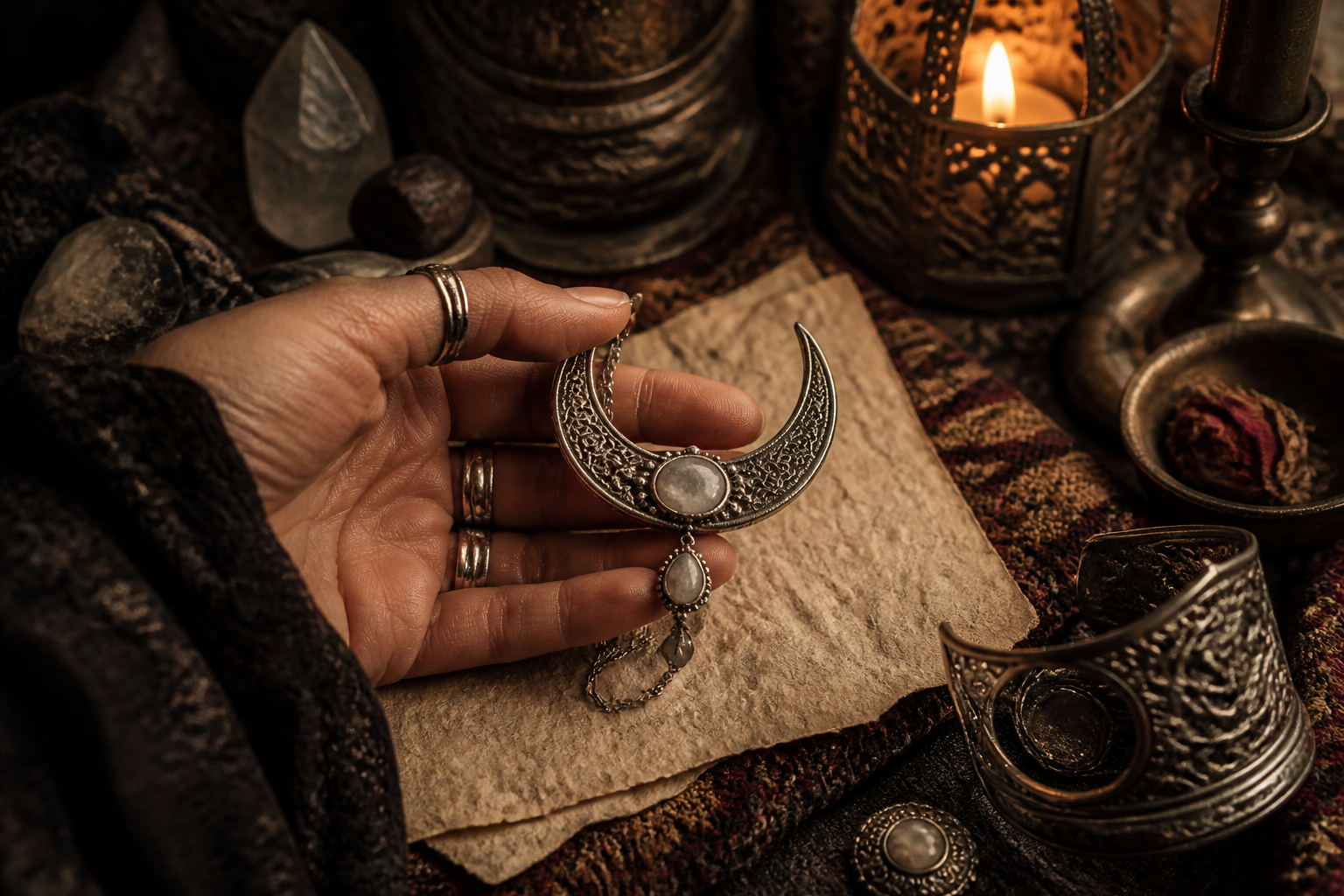
Moonlit Gleam: Silver’s Ancient Stories
Aug 11, 2026 07:09 PM
In ancient Egypt, silver held a luminous magic all its own. Rarer than gold and imported from afar, it was closely linked to the moon, purity, and the divine feminine—often described as the “bones of the gods.” Egyptians adorned themselves with silver amulets and burial ornaments, believing the metal could guide and protect the soul in the afterlife . Across the Fertile Crescent in Mesopotamia, silversmiths transformed this gleaming metal into elegant jewelry such as filigree pendants and bracelets, symbolizing status and wealth—even before the invention of coinage made silver a medium of exchange . Ancient cultures far beyond the Near East also infused silver with deep meaning. In classical Greece and Rome, it was crafted into coinage and jewelry that carried civic pride and mythic symbolism—think Athena’s owl stamped on a gleaming tetradrachm—connecting personal adornment with identity and storytelling . In Pre-Columbian Peru, silver was a powerful emblem of power and prestige. Exquisitely made nose and ear ornaments signified elite status and played roles in both life and death, often buried in tombs as offerings to the gods . Whether cast as lunar sigils, civic symbols, or ancestral relics, silver jewelry across these ancient worlds wove together beauty, belief, and belonging—echoing through time into every Amara Row piece we craft today.
← Back to Blog